The Psychology of Flowers: How Colors Affect Emotions
Have you ever noticed how the color of a flower can impact your mood? The psychology of flowers is a fascinating subject that explores how different colors can evoke various emotions in individuals. Let's delve into how colors affect our emotions when it comes to flowers.
Red: The Color of Passion
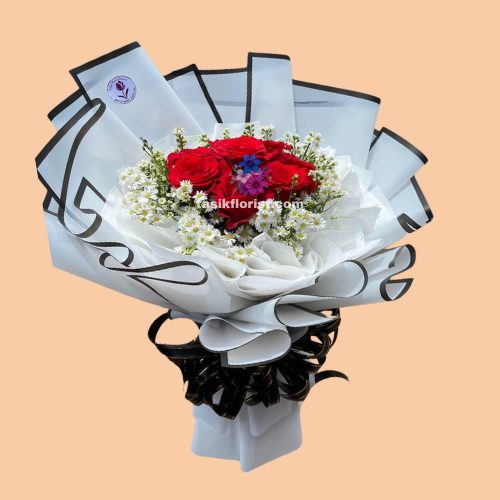
Red flowers, such as roses and tulips, are often associated with love, passion, and desire. The color red has been shown to increase heart rate and create a sense of urgency, making it the perfect choice for romantic gestures.
Yellow: The Color of Happiness
Yellow flowers, like sunflowers and daisies, are known to evoke feelings of joy, happiness, and positivity. The color yellow is often associated with sunshine and warmth, making it a great choice for brightening someone's day.
Blue: The Color of Tranquility
Blue flowers, such as hydrangeas and delphiniums, are linked to feelings of calmness, serenity, and relaxation. The color blue has a soothing effect on the mind and body, making it ideal for creating a peaceful atmosphere.
Pink: The Color of Sweetness
Pink flowers, like peonies and cherry blossoms, are often associated with sweetness, innocence, and femininity. The color pink is known to have a calming effect on individuals, promoting feelings of love and compassion.
Purple: The Color of Royalty
Purple flowers, such as lavender and orchids, are linked to luxury, royalty, and sophistication. The color purple has a sense of mystery and magic, making it a popular choice for adding a touch of elegance to any bouquet.

Next time you're choosing flowers for a special occasion or simply to brighten up your space, consider the psychology behind the colors. Whether you're looking to express love, evoke happiness, or create a sense of tranquility, the color of the flowers you choose can have a powerful impact on your emotions.